


Branded apparel gets dismissed as a throwaway tactic by a surprising number of marketing teams. The assumption is that people grab a free shirt, wear it once, and forget who gave it to them. But promotional products like branded apparel function as long-lived awareness channels, generating thousands of brand impressions over months and years. For California businesses competing in crowded event spaces, that staying power is not a nice-to-have. It’s a strategic advantage that most brands are leaving on the table.
Table of Contents
- Why custom branding apparel works: The evidence
- What makes branded apparel a wearable, not a giveaway
- Event execution: How to maximize brand visibility and ROI
- Applying quality and compliance for trademarked or licensed branding
- Our perspective: What most brands miss about custom branded apparel
- Get started: Custom branding apparel solutions for your next event
- Frequently asked questions
Key Takeaways
| Point | Details |
|---|---|
| Repeat exposure counts | Branded apparel generates thousands of impressions and sustained brand recall with the right audience fit. |
| Design and quality matter | Useful, stylish, and well-made apparel is much more likely to be worn and remembered than generic giveaways. |
| Measure real ROI | Go beyond impressions by tracking redemptions, leads, and sales to understand apparel effectiveness. |
| Follow compliance steps | For trademarked or licensed assets, always use robust approval and quality workflows. |
Why custom branding apparel works: The evidence
The instinct to question branded apparel’s effectiveness is understandable. Marketing budgets are tight, and every dollar needs to justify itself. But when you look at the actual data, apparel-based promotional products tell a compelling story.
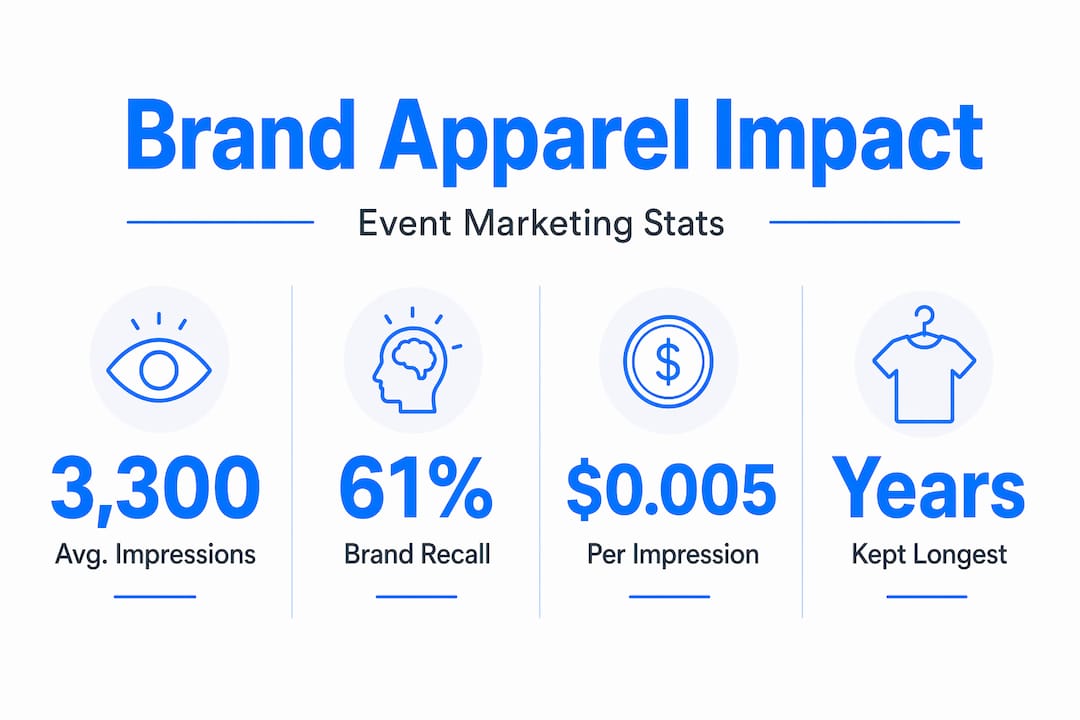
According to ASI’s 2026 Ad Impressions Study, apparel outperforms many other advertising channels on both cost-per-impression and consumer preference. That’s a significant finding. We’re talking about a channel that beats digital display and, in many categories, even television when it comes to how consumers feel about the brand delivering the message.
Here’s what the numbers actually look like:
| Metric | Branded apparel | Digital display ads |
|---|---|---|
| Average brand impressions per item | ~3,300 | Varies by campaign |
| Cost per impression (CPI) | ~$0.006 | $0.01 to $0.05+ |
| Average retention period | 14+ months | Seconds to minutes |
| Consumer preference rate | 78% keep and use | Low recall after viewing |
Those numbers reframe the conversation entirely. A single well-designed shirt, distributed at a California trade show or community event, can generate more than 3,000 brand impressions over its lifetime at a fraction of a cent each.
The emotional layer matters just as much as the numbers. Research into consumer product preferences shows that brand experience and emotion are central to why branded apparel works. When recipients feel that an item is genuinely useful and well-designed, it shifts how they perceive the brand that gave it to them. They feel appreciated. That emotional response is something a banner ad simply cannot replicate.
Here are the core mechanisms that make branded apparel so effective:
- Visibility: Apparel is worn in public, turning every recipient into a walking brand ambassador.
- Utility: Items that get used daily generate repeated impressions without additional spend.
- Emotional connection: Thoughtful design signals that a brand values quality and its audience.
- Repeat exposure: Unlike a single ad view, a shirt worn weekly compounds brand recall over time.
Adding custom woven labels to your apparel takes the professionalism up another notch, reinforcing brand identity every time someone checks the tag. And starting with a high-quality base, like a premium short sleeve tee, ensures the item is something recipients actually want to wear.
“Apparel is especially effective when it is designed well and feels useful or wearable. Emotional resonance is not a bonus. It’s the mechanism.”
What makes branded apparel a wearable, not a giveaway
There’s a meaningful difference between apparel that gets worn for years and apparel that ends up in a donation bin by the end of the week. That difference almost never comes down to the logo. It comes down to design, fit, and usefulness.
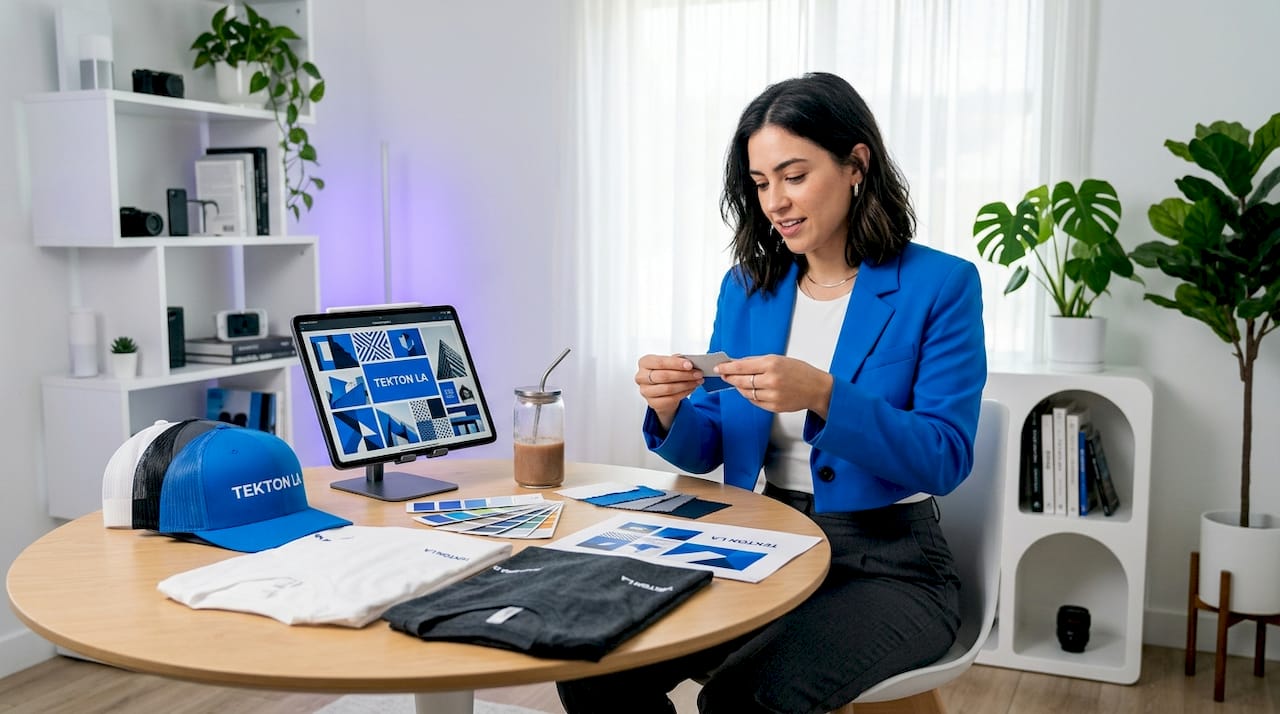
Product-market fit applies to promotional apparel just as much as it does to software. If the item feels low-quality, looks generic, or doesn’t match the style sensibility of your audience, it gets discarded. Fast. And when that happens, you haven’t just wasted budget. You’ve also created a slightly negative brand impression in the process.
Here’s a direct comparison of what separates wearable branded apparel from disposable giveaways:
| Factor | Wearable apparel | Disposable giveaway |
|---|---|---|
| Design | On-trend, intentional, audience-aware | Generic, logo-centered only |
| Fit | Structured, flattering, true to size | Boxy, one-size-fits-most |
| Material | Soft, durable, quality fabric | Thin, scratchy, or stiff |
| Retention rate | High (worn repeatedly for months) | Low (discarded within days) |
| Emotional response | Appreciation, brand affinity | Indifference or mild annoyance |
| Impressions generated | Hundreds to thousands | Single-digit |
The gap is stark. And it’s entirely within your control.
To make sure your event apparel lands in the wearable category, work through this checklist before finalizing your order:
- Know your audience’s style preferences. A tech startup crowd in San Francisco has different aesthetic expectations than attendees at an outdoor festival in San Diego. Match the apparel style to the context.
- Prioritize fabric quality over quantity. Ordering 500 mediocre shirts is almost always a worse investment than ordering 200 exceptional ones.
- Design for the item, not just for the logo. The graphic should look good on its own. The brand mark should enhance the design, not dominate it.
- Get the sizing right. Offer a range of sizes and cut options. A shirt that doesn’t fit well won’t get worn, regardless of how great the design is.
- Prototype before you commit. Order samples and wear-test them before a full production run.
Pro Tip: Before your next event, survey a small group of past attendees and ask them which branded apparel items they’ve kept and why. The answers will almost always point to fit, design, and fabric quality rather than the brand’s logo size.
The Major T-shirt is a strong example of a base garment that checks the right boxes for event use. When you pair a quality blank with intentional design, you’re giving recipients a reason to keep it. And for a deeper look at how design choices affect long-term wearability, the premium tee design tips page walks through what makes a shirt genuinely stand out.
Event execution: How to maximize brand visibility and ROI
Understanding what works is step one. Executing it well at your actual event is where most brands stumble. The good news is that a few focused decisions at the planning stage can dramatically improve your results.
Start by thinking about who gets the apparel, not just how many pieces you order. Distribution strategy matters enormously. Giving a premium branded shirt to 50 highly engaged VIPs, key staff members, or local influencers will almost always outperform handing out 500 generic tees to anyone who walks by your booth.
Here are the event-specific best practices that consistently drive stronger brand visibility and ROI:
- Staff and volunteers first. Your team is on-site for the entire event. Outfitting them in high-quality branded apparel creates a cohesive, professional presence that attendees notice and remember.
- Target VIPs and influencers. A well-designed shirt on someone with a social following is worth far more than the same shirt on a random passerby. Identify your most connected attendees and make sure they receive your best piece.
- Use apparel as a prize or incentive. Branded apparel as a booth giveaway prize (rather than a free-for-all handout) creates perceived value. People work for it, which means they value it more.
- Create a moment around the distribution. Live printing events, where attendees watch their shirt being printed on-site, generate social media content and create a memorable brand experience simultaneously.
- Plan for post-event visibility. Think about where your apparel will be seen after the event. A shirt worn at a gym, a coffee shop, or a weekend market keeps generating impressions long after the event ends.
Apparel event ROI tips and broader custom apparel event strategies can help you build a more structured approach to planning.
One statistic worth keeping front of mind: 61% of consumers report that they remember the brand that gave them useful branded merchandise. That number climbs when the item is something they actually use regularly.
On measurement: ASI’s cost-per-impression benchmarks are useful for budget justification and planning conversations, but don’t stop there. For California SMBs, real-world ROI tracking should include event-level KPIs like leads scanned, promo-code redemptions tied to the event, and any measurable sales lift in the weeks following. Impressions are a useful proxy, but conversion data tells the full story.
Pro Tip: Always match the apparel style to the event’s vibe and your attendee demographic. A heavyweight garment-dyed hoodie makes sense at an outdoor fall festival. A lightweight performance tee makes sense at a fitness expo. The wrong item in the right hands still underperforms.
Applying quality and compliance for trademarked or licensed branding
Once you’ve nailed the design and distribution strategy, there’s one more area that brands consistently underestimate: brand compliance. If your apparel carries a trademark, a licensed logo, or a co-branded mark, the stakes for getting it wrong are real.
This isn’t just about aesthetics. It’s about protecting your legal rights and your brand’s public reputation. A garment that misrepresents a trademark, even unintentionally, can create liability and damage the trust you’ve worked to build.
Here’s a straightforward process for keeping your branded apparel compliant:
- Document your brand standards before briefing any vendor. Color codes, approved logo files, minimum size requirements, and placement restrictions should all be written down and shared upfront.
- Request a digital proof before production begins. Review it against your brand standards document, not just your general impression of how it looks.
- Order a physical prototype and review it in person. Colors shift between screen and fabric. What looks correct on a monitor may not match your brand standards on a printed garment.
- Build an internal approval workflow. At minimum, a second set of eyes from your legal or brand team should sign off before any trademarked apparel goes into full production.
- Keep records of approvals. If a licensing question ever arises, documentation of your approval process is your first line of defense.
“Strict quality standards and mandatory approval processes are not bureaucratic overhead. They are the infrastructure that protects your brand’s integrity every time your logo appears on a physical product.” UCDavis Brand Communications Guide: Licensing
Adding custom woven labels for consistency is one of the simplest ways to reinforce brand standards at the garment level. A woven label with your official brand mark, produced to spec, signals quality and authenticity from the inside out.
Our perspective: What most brands miss about custom branded apparel
After seeing hundreds of event programs succeed and fail, one pattern stands out more than any other. Most brands focus almost entirely on logo visibility and order volume. They treat branded apparel as a numbers game: the more shirts distributed, the more impressions generated. That logic is flawed, and it leads to a lot of wasted budget.
The brands that consistently get the best results from custom apparel do something different. They think about the recipient’s experience first. They ask: Will this person actually want to wear this? Does it fit the moment? Does it reflect the quality we want to be associated with?
Those questions sound simple, but they require a fundamentally different planning process. It means investing more per unit, ordering fewer pieces, and being more intentional about who receives them. It means treating apparel as a brand experience rather than a media buy.
The uncomfortable truth is that a smaller run of genuinely desirable apparel will almost always outperform a large run of forgettable items. Forty people wearing your shirt at a farmers market every Saturday for a year generates more brand value than 400 shirts sitting in a closet after a single event.
We’ve also seen brands underestimate the power of timing. Distributing apparel at the right moment in an event, when energy is high and attendees are most engaged, dramatically increases the likelihood that the item gets worn again. The real-world premium tee insights we’ve gathered from working with California brands confirm this consistently.
The bottom line: stop optimizing for quantity and start optimizing for desirability. That shift alone will transform your event apparel from a giveaway into a genuine brand asset.
Get started: Custom branding apparel solutions for your next event
If this guide has shifted how you think about branded apparel, the next step is making it real. The difference between a forgettable giveaway and a wearable brand asset starts with the quality of the garment and the intentionality of the design.
At Tekton LA, we work with California businesses and marketing teams to produce custom apparel that people actually want to wear. From the Garment-Dyed Heavyweight Shirt to fully customized woven label options, every product is built for brand visibility that lasts well beyond the event itself. Whether you need a small premium run for VIP distribution or a larger order for a statewide activation, Tekton LA has the printing capabilities, the product range, and the expertise to deliver. Reach out to start building your event apparel strategy today.
Frequently asked questions
What makes branded apparel more effective than other promotional products?
Branded apparel delivers higher brand views per item, averaging around 3,300 impressions, and is kept far longer than most other promotional items. Its wearability means your brand gets repeated public exposure without any additional spend.
How should I measure ROI for branded apparel at my California event?
Go beyond impression estimates and track event-level KPIs like leads scanned, promo-code redemptions, and post-event sales lift. Distribution design and product mix both affect real-world outcomes, so on-the-ground data will always tell a more accurate story than benchmarks alone.
What factors influence whether attendees keep branded apparel?
The key retention factors are usefulness, style, fabric quality, and fit. Items that feel low-quality or look generic are discarded quickly, regardless of how prominent the logo is.
What are compliance best practices for branded apparel using trademarks?
Always implement approval workflows and prototype reviews before committing to a full production run. Documenting your process protects your brand legally and ensures consistency across every piece that carries your mark.