

Plastisol wins when you need bold, opaque color on dark garments, high-volume reliability, or specialty effects like puff and metallic. Water-based ink wins when the priority is a soft, breathable hand on light cotton, retail-quality drape, or a lower environmental footprint. The real tradeoff comes down to hand feel versus opacity, and curing setup: plastisol cures hot and stays workable on the screen indefinitely, while water-based demands forced-air drying and faster press management.
TL;DR:
- Water-based ink offers a softer, more breathable feel suitable for light or mid-tone cotton but struggles with opacity on dark garments.
- Plastisol provides superior opacity and support for specialty effects like puff and metallic inks, making it ideal for high-volume and dark fabric jobs.
- The curing process differs significantly, with plastisol needing higher heat and short dwell times, while water-based requires longer forced-air drying.
- Equipment choices, especially dryer capabilities, strongly influence ink selection; plastics need heat and airflow suited to their curing method.
- Conducting test swatches and wash tests before full production is essential to ensure proper adhesion and finish, regardless of the ink type chosen.
Table of Contents
- Water-Based vs Plastisol Ink: A Side-by-Side Comparison
- How Does Plastisol Ink Work, and What Are Its Tradeoffs?
- What Makes Water-Based Ink Different From Plastisol?
- What Curing and Equipment Setup Does Each Ink Require?
- Which Fabric and Design Choices Point to Each Ink?
- How Do You Choose the Right Ink Before a Full Run?
- How Does a Working Print Shop Apply These Rules?
- Matching Ink Choice to Your Brand’s Actual Goals
- Get Your Screen Printing Done Right, Without Guessing on Ink
- Sources
Water-Based vs Plastisol Ink: A Side-by-Side Comparison
Every ink decision comes down to seven practical factors. Here’s how they stack up against each other.
- Softness/hand feel: Water-based wins decisively, it soaks into the fibers rather than sitting on top. Plastisol sits as a plastic film, which means a thicker, more rubbery feel unless you add soft-hand additives.
- Opacity on dark garments: Plastisol dominates here. It lays down vibrant, opaque color on dark cotton without much fuss, while standard water-based ink struggles on darks unless you use a discharge or high-opacity formula.
- Ease of use: Plastisol is far more forgiving for beginners since it won’t dry in the screen mid-run.
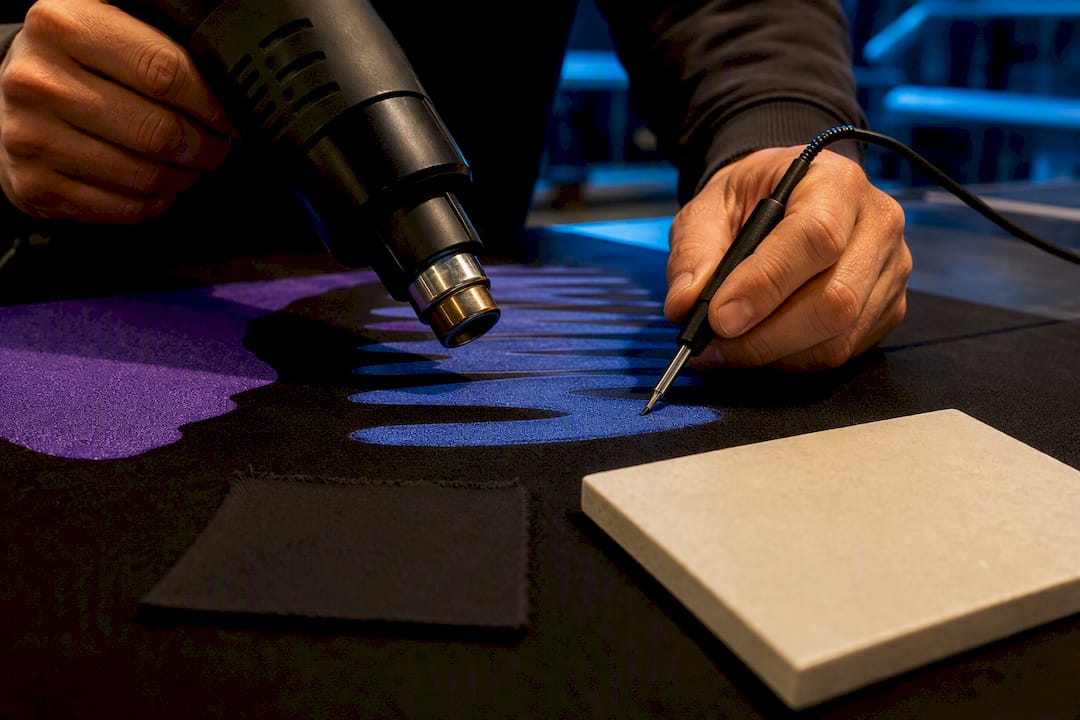
- Curing method: Plastisol needs a conveyor dryer or heat gun in the 300 to 330°F range. Water-based needs sustained forced-air drying, not just surface heat.
- Fabric compatibility: Plastisol works on nearly anything, cotton, poly blends, performance fabrics. Water-based performs best on 100% cotton or cotton-heavy blends.
- Environmental/cleanup profile: Water-based cleans up with water and carries less concern around PVC and plasticizers. Plastisol needs solvent-based cleanup and more careful waste handling.
- Production speed and cost: Plastisol runs faster for high-volume jobs since press downtime is lower. Water-based often costs more in labor and dryer time, though ink cost per gallon can run comparable.
A quick shop test print favors plastisol for speed. A retail capsule collection favors water-based for feel. An event run for 500 team shirts almost always favors plastisol. When the goal is a soft print on dark 100% cotton, discharge ink is the answer neither straight plastisol nor standard water-based can match.
How Does Plastisol Ink Work, and What Are Its Tradeoffs?
Plastisol is a PVC-based ink suspended in plasticizer, and it forms a 100% solids film once it cures. That happens at roughly 300 to 330°F, hot enough to fully fuse the plastic into a durable, flexible layer on top of the fabric. Because it never dries at room temperature, plastisol sits in the screen indefinitely. You can pause a run for lunch and come back without reclaiming a clogged screen, a real advantage for shops without dedicated screen technicians.
Plastisol’s strengths are hard to beat for certain jobs:
- Unmatched opacity on black, navy, and other dark garments
- Works across cotton, polyester, and blends without reformulation
- Supports specialty effects like puff ink, metallic, and foil
The drawbacks are real too. The cured film feels heavier and less breathable than a water-based print, cleanup requires screen wash and solvents, and standard plastisol contains PVC and phthalates, though PVC-free alternatives now exist for shops chasing a lower-impact formula.
Pro Tip: Always run a cure test with a heat gun or dryer probe before a full production run. Underscoring a plastisol print by even 20 degrees can leave it looking fine but cracking after two washes.
What Makes Water-Based Ink Different From Plastisol?
Water-based ink doesn’t sit on top of the fabric, it soaks into the fibers, which is exactly why the print feels almost invisible against the skin. That penetration is the entire appeal for brands chasing a premium, vintage, or “barely there” print aesthetic. Curing happens through moisture evaporation and pigment binding, usually requiring sustained heat in a forced-air dryer rather than a quick pass under a flash unit.
Three variants matter for small shops:
- Standard water-based: soft hand, best on light or mid-tone cotton
- High-opacity (HO) water-based: boosted pigment load for better coverage on darker shades, though still short of plastisol’s punch
- Discharge ink: strips the garment’s dye and deposits pigment in its place, producing the softest possible result on dark 100% cotton, but it needs an activator and works reliably only on reactive-dyed cotton
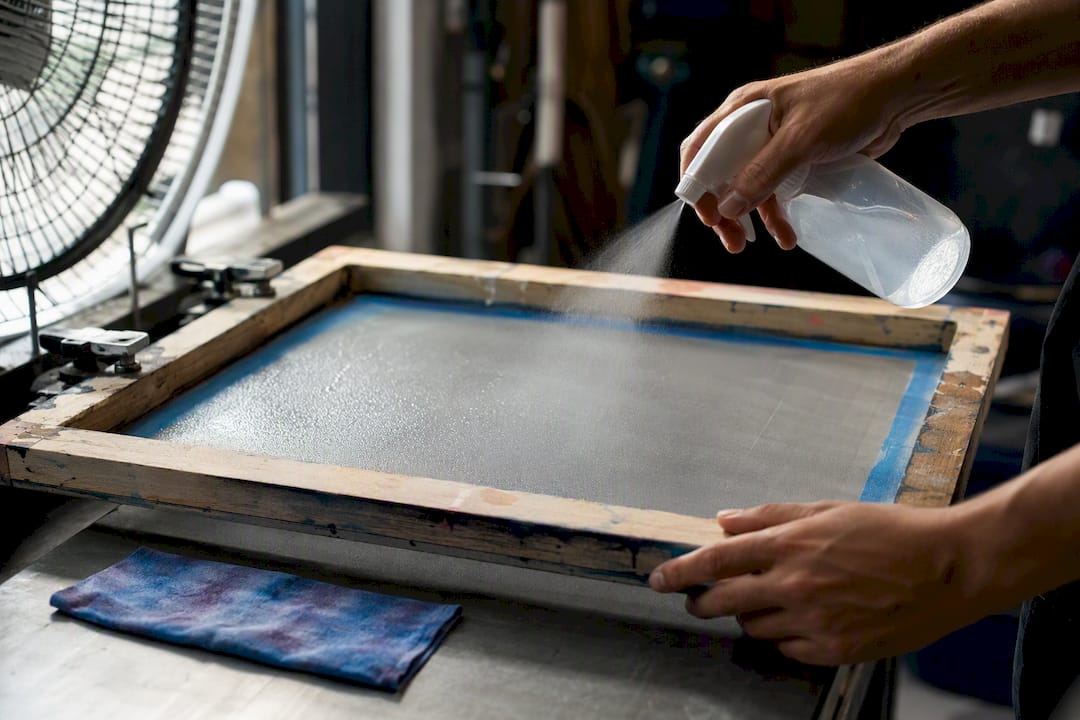
The catch: water-based ink dries in the screen if you stop moving, which forces a faster press rhythm and demands water-resistant emulsions to survive repeated washout.
Pro Tip: Keep a retarder on hand and mist screens between pulls during warm weather. A flooded screen that sits idle for ten minutes can dry enough to ruin your mesh count.
What Curing and Equipment Setup Does Each Ink Require?
Your dryer is the real gatekeeper here, not your press. Budget for these differences before you commit to a job:
- Cure temperature and method: Plastisol needs heat in the 300 to 330°F range, achievable with most conveyor dryers or even a household heat gun for small runs. Water-based needs comparable peak temperatures but far longer dwell time under forced airflow to fully evaporate moisture, not just surface heat.
- Emulsion and mesh: Water-based inks are more aggressive on stencils, so water-resistant or hardened emulsions extend screen life significantly. Plastisol is gentler on standard emulsions.
- Cleanup and waste: Plastisol needs solvent-based screen wash and careful solvent disposal. Water-based rinses out with water, though discharge activators still require ventilation.
Which Fabric and Design Choices Point to Each Ink?
Fabric content and color depth decide most of this before you even open your ink bucket:
- Light 100% cotton: water-based, it soaks in cleanly and shows off the soft hand
- Dark cotton: discharge for the softest finish, or plastisol with an underbase when the design needs to pop on black or navy
- Polyester or performance blends: plastisol formulated for poly, since standard water-based and discharge both struggle with synthetic fibers
- Fine halftones and gradients: plastisol tends to hold detail better at small dot sizes; water-based can bleed slightly into fibers on tight halftones
- Large solid fills: water-based looks flatter and softer; plastisol looks bolder but heavier
Durability splits along similar lines. Plastisol prints resist cracking for years when cured properly, while water-based prints fade gently over many washes rather than cracking, closer to how the original garment dye fades.
How Do You Choose the Right Ink Before a Full Run?
Work through this order, not by gut feeling:
- Define the customer experience first: soft-hand retail feel or bold, graphic impact.
- Confirm fabric content, since 100% cotton opens every option while blends narrow your choices fast.
- Audit your equipment: does your dryer deliver enough forced airflow for water-based, or only surface heat suited to plastisol?
- Run a test swatch, wash it five times, and check both hand feel and adhesion before committing ink to a full order.
Pro Tip: Never skip the wash test. A print that looks perfect off the dryer can still fail adhesion after one trip through a washing machine.
Red flags that should send you to the other ink, or to a shop that can outsource the job: no forced-air dryer on hand (skip water-based), heavy dark-garment demand without underbase experience (lean plastisol or discharge with real testing), or no ventilation for solvent cleanup (water-based becomes the safer in-house option).
How Does a Working Print Shop Apply These Rules?
Shops that run both ink families daily tend to choose per job rather than picking one system and forcing every order through it. That’s the pattern at a well-equipped print shop: water-based for retail-style capsule drops where softness sells the shirt, plastisol for team orders and event runs where volume and durability matter more than hand feel.
A swatch print, a five-wash cycle, and a hand-check before full production catches nearly every adhesion or cure problem before it becomes 200 ruined shirts.
That test protocol isn’t optional overhead, it’s what separates a shop that catches a bad cure at swatch stage from one that catches it after shipping the order.
Matching Ink Choice to Your Brand’s Actual Goals
The ink argument only matters once you know what you’re selling. A premium streetwear label chasing a soft, vintage feel should lean water-based or discharge even if it costs more in dryer time. A team or event order where 300 shirts need to look identical and survive a season of washing has no business fighting water-based’s slower cure. Run your own swatch test before deciding, and if you’d rather skip the guesswork, Tekton LA can run that test for you.
— Christian
Get Your Screen Printing Done Right, Without Guessing on Ink
Choosing between water-based and plastisol shouldn’t cost you a ruined production run to figure out. Some print shops run both ink systems daily, on real dryers with the airflow and cure control that home setups usually lack, so you get the ink that actually fits your fabric and design instead of whatever your equipment can manage.
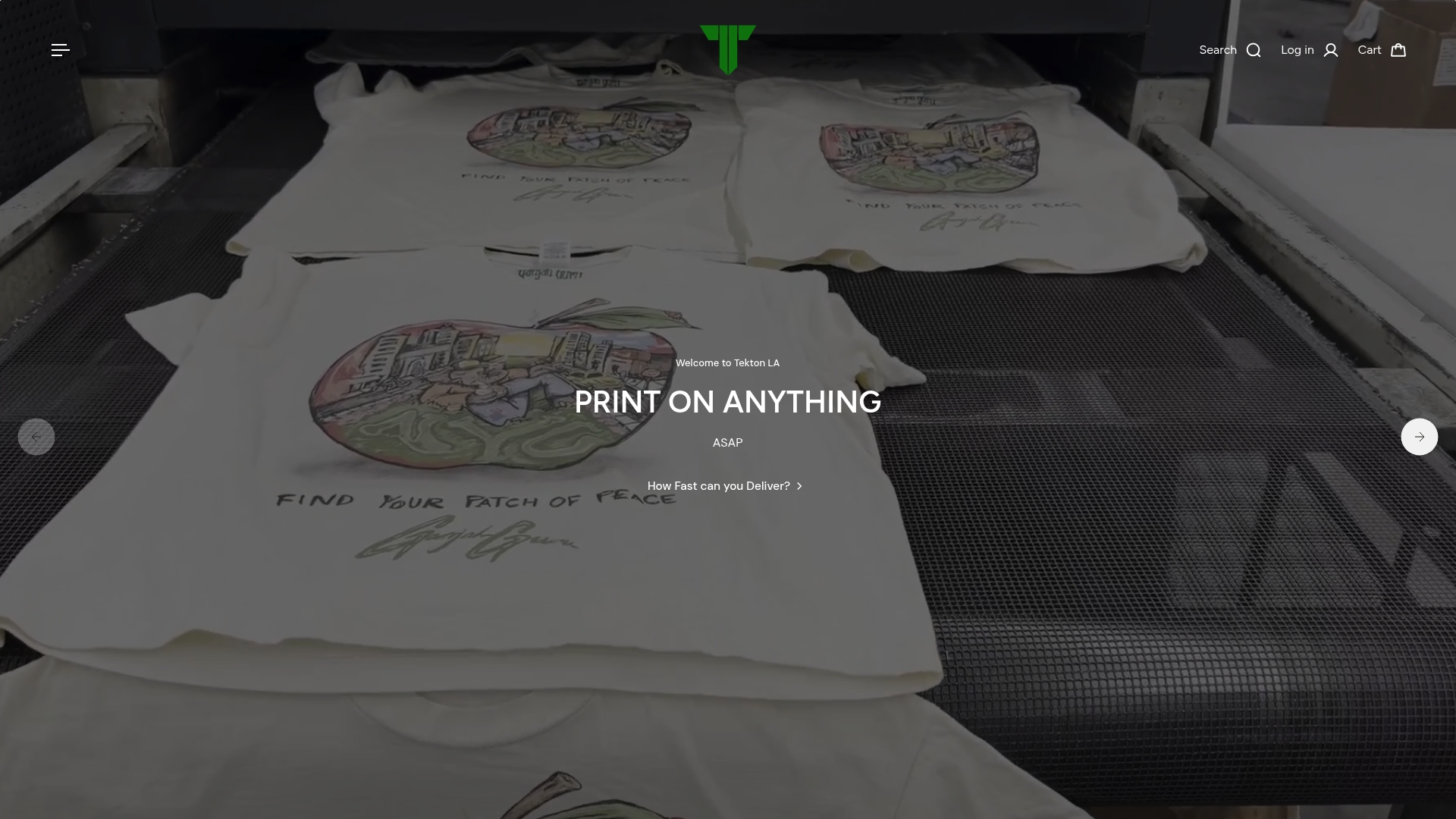
Some print shops handle everything from single-color test prints to multi-color runs, with no minimum order quantity standing between you and a proper sample. If you’re weighing a soft retail print against a bold event run, start with a 2 color screen print order to see both options on real fabric before you commit to a full batch. For simpler jobs, the 1 color screen print option gets a test sample in your hands fast. Reach out through Tekton LA to talk through your fabric, design, and volume, and get a straight answer on which ink actually fits your job.
Sources
- Plastisol Ink vs Water Based ink
- Plastisol vs Water-Based Ink for Screen Printing | Guide
- Plastisol Ink vs Water-Based Inks - Screen Printing Blogs– Screen Print Direct