


If you’ve ever ordered a custom t-shirt and wondered how a photorealistic image ended up on fabric without any cracking or peeling, you’ve probably encountered what is direct to garment printing. DTG printing is a digital method that works like a standard inkjet printer, except the “paper” is your garment. It skips the screens, the films, and the setup fees that other methods require. This guide breaks down exactly how the DTG printing process works, which fabrics perform best, and when it makes more sense than screen printing or DTF.
Table of Contents
- Key Takeaways
- How the DTG printing process works, step by step
- DTG vs screen printing and other printing methods
- Fabric and garment suitability for DTG
- Practical advantages of DTG for businesses and individuals
- Challenges and maintenance tips for consistent results
- My honest take on what beginners get wrong about DTG
- Start with the right garment for DTG printing
- FAQ
Key Takeaways
| Point | Details |
|---|---|
| DTG prints directly onto fabric | A digital inkjet process applies water-based inks straight onto garments, with no screens or transfers required. |
| Pretreatment is non-negotiable | Dark garments must be pretreated so white ink sits on the surface instead of being absorbed into fibers. |
| Cotton is the best fabric choice | 100% cotton and high-cotton blends absorb DTG inks best, producing the most vibrant and long-lasting results. |
| DTG wins for small, detailed orders | No setup fees or color limits make DTG the most cost-effective option for short runs and complex full-color designs. |
| Maintenance determines print consistency | Humidity control and daily ink agitation are required to keep print heads working at peak performance. |
How the DTG printing process works, step by step
Most people assume garment printing is a single step. You load a design, press print, done. The reality is that the DTG printing process involves four distinct stages, and skipping or rushing any one of them shows up immediately in the finished product.
Pretreatment is where the process begins for dark or colored garments. A liquid pretreatment solution is sprayed or rolled onto the fabric and then heat-pressed to set it. Without this step, white ink absorbs into fibers and disappears rather than forming a crisp underbase. The pretreatment creates a slightly stiff surface that acts as a primer, locking the ink in place and increasing color vibrancy on top.
Printing comes next. The garment is loaded flat onto a platens, a flat surface that holds the fabric taut under the print head. The machine jets water-based inks directly onto the garment in a controlled sequence. For dark garments, the printer lays down a white ink underbase first before adding color layers. DTG prints full-color designs digitally in a single pass, which is why it handles gradients, photographs, and complex artwork without any additional cost or setup.
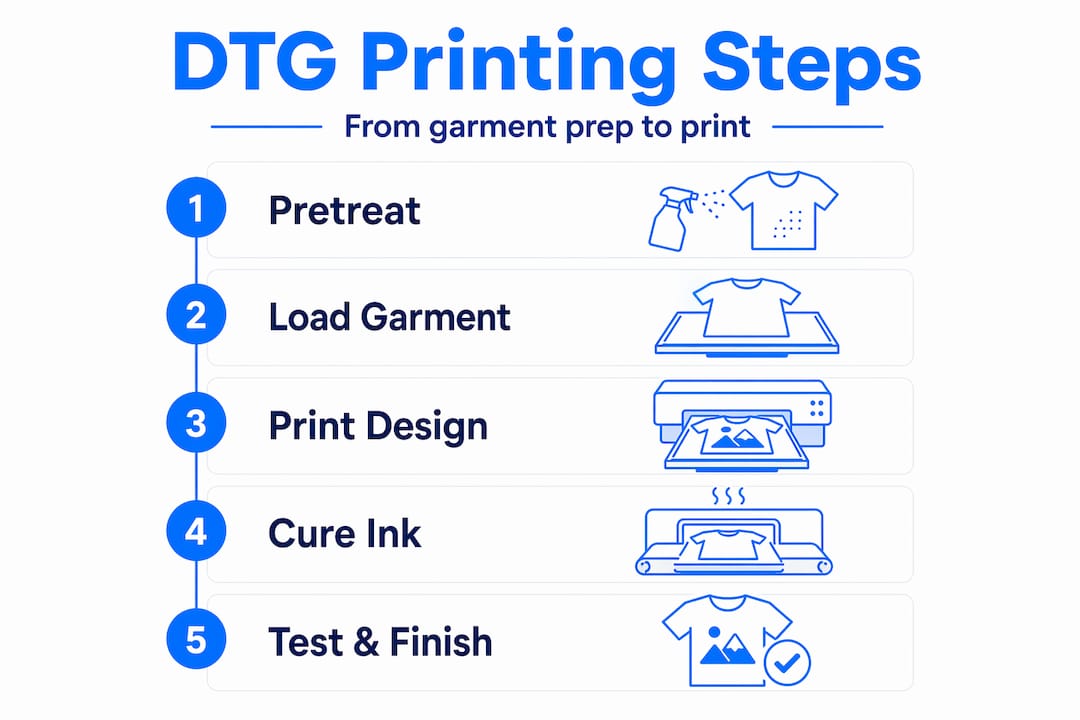
Curing is the final and most overlooked step. The printed garment passes through a heat tunnel or is placed under a heat press to cure the inks into the fabric. Underc-uring causes washout after the first laundering. Overcuring can scorch the print or change its color. Getting time and temperature dialed in correctly is what separates a print that lasts years from one that fades in weeks.
The steps look simple on paper. In practice, each one has variables that require attention and calibration.
- Pretreatment application must be even, with no heavy spots or dry patches
- Platens must be sized correctly for each garment to prevent smearing
- White ink agitation is required before every print session to prevent pigment settling
- Curing temperature typically ranges between 320°F and 330°F depending on ink and fabric
Pro Tip: Always test cure a sample garment and wash it once before running a full production batch. A single test wash reveals curing issues before they become expensive mistakes.
DTG vs screen printing and other printing methods
Understanding the differences between printing methods helps you choose the right one for your specific project. None of these methods is universally superior. Each has a context where it wins.
| Method | Best for | Setup cost | Color limit | Fabric compatibility | Print feel |
|---|---|---|---|---|---|
| DTG | Small runs, detailed art | None | Unlimited | Cotton/cotton blends | Soft, breathable |
| Screen printing | Large runs, simple designs | High | Limited per run | Most fabrics | Smooth, slightly raised |
| DTF (Direct to Film) | Multi-fabric, high durability | Low | Unlimited | Almost any fabric | Heavier, less natural |
Screen printing requires a separate screen for every color, which means a six-color design requires six screens, six setups, and a longer lead time before a single shirt is printed. That structure makes screen printing extremely cost-efficient at high volumes but expensive and slow for short runs or one-off pieces.
DTF (Direct to Film) is often confused with DTG because both methods handle full-color designs without screens. The core difference is physical. DTG produces finished garments immediately, with ink applied directly to fabric. DTF creates a separate transfer film that is pressed onto a garment afterward. The result is a print that sits on top of the fabric rather than within it. DTF suits multi-fabric use and high durability, but the feel is heavier and less natural compared to a DTG print.
For buyers and creators who prioritize a print that feels like part of the garment rather than something applied to it, DTG is the clear choice. The ink penetrates the fabric fibers, so prints feel integrated and soft, not like a vinyl layer sitting on top.
Fabric and garment suitability for DTG
Fabric choice affects DTG print quality more than almost any other variable. Many people discover this the hard way when a perfectly designed file produces a dull, patchy print because the garment was the wrong material.
DTG works best on 100% cotton or high-cotton blends. Cotton fibers absorb the water-based inks efficiently, which produces sharp edges and vibrant colors. A 100% ringspun cotton t-shirt will consistently outperform a 50/50 cotton-polyester blend in both color accuracy and long-term durability.
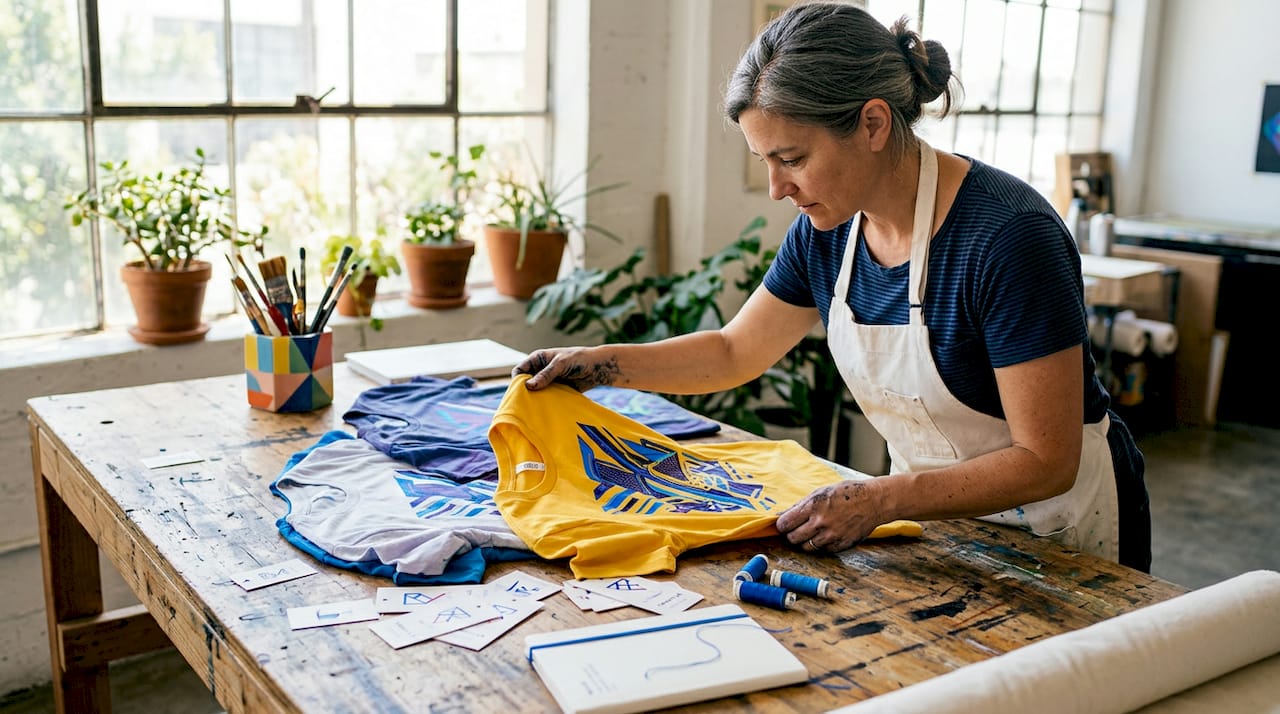
Synthetic fabrics like polyester are where DTG runs into real trouble. Polyester resists water-based inks, which means the ink sits on the surface of fibers rather than being absorbed. The result is fading, cracking, and color inconsistency. Printing DTG on polyester without proper testing can cause poor adhesion and fast fading, even with standard care. Specialized polyester-compatible inks exist, but they require additional process adjustments and testing.
Garment color also matters beyond just the pretreatment requirement. White and light garments skip the white underbase step entirely, which shortens print time and reduces material costs. Dark garments require precise pretreatment and a full underbase, which means longer print times and more variables to manage.
Pro Tip: If you are printing on a garment with less than 80% cotton content, request a physical sample before committing to a full run. Color vibrancy can drop noticeably as polyester content increases.
For brands exploring performance fabric printing, DTG alone often is not the answer. A different printing method or a different fabric selection may serve those applications better.
Practical advantages of DTG for businesses and individuals
The business case for DTG becomes clear once you map it against real use cases. Here is where it genuinely outperforms alternatives.
-
On-demand custom orders. DTG requires no minimum order quantity. A single custom shirt costs no more per unit than a batch of ten, which makes it ideal for independent creators, small brands, and businesses printing merchandise for events.
-
Full-color designs with zero setup fees. A photographic print, a gradient-heavy logo, or a design with thirty color variations all cost the same to set up in DTG. Printing in full-color digitally without setup fees is one of the biggest practical advantages over screen printing for smaller operations.
-
Fast turnaround. Without screens to burn, films to prepare, or lengthy setup processes, DTG orders can move from digital file to finished garment in hours rather than days. For businesses operating on tight event or launch timelines, that speed matters.
-
Soft, wearable prints. Customers notice the feel of a print. DTG prints offer a soft, lightweight feel close to the best screen printed garments and significantly more comfortable than heat transfer alternatives. Wearability directly affects how long someone keeps and uses a garment, which extends the life of your brand on that product.
-
Design flexibility. You can swap designs between shirts without any additional cost or process change. This makes DTG the right fit for limited drops, sample production, and any situation where variety matters more than volume.
For brands looking at garment printing techniques across different applications, DTG sits at the intersection of quality and accessibility.
Challenges and maintenance tips for consistent results
DTG equipment is more sensitive than most people expect when they first get started. The print head is the most expensive component in the machine, and it requires consistent care to stay in working order.
- Print heads require about 50% relative humidity to function correctly. Too dry and nozzles clog. Too humid and ink performance suffers.
- White ink settles quickly because it uses heavy titanium dioxide pigment. Agitate it daily, even on days the machine is not in use.
- Pretreatment amount affects everything downstream. Too little means poor white ink adhesion. Too much creates a stiff hand feel or discoloration on light garments.
- Curing errors are the most common cause of washout complaints. Track temperature and dwell time for every fabric weight you print on.
Pro Tip: Run a nozzle check print every morning before production. Catching a partial clog early takes two minutes to fix. Catching it after a full run costs you the entire batch.
Consistent environments and consistent habits are what separate shops that produce reliable output from those that constantly troubleshoot quality issues.
My honest take on what beginners get wrong about DTG
I’ve seen a lot of people get into DTG printing with the expectation that it works like a desktop inkjet printer. Load the shirt, press print, done. That assumption is understandable given the way the technology is marketed. But the operational reality is different, and I think being clear about that upfront saves a lot of frustration.
The machine is only part of the equation. Pretreatment, curing, humidity, ink agitation, fabric selection — all of these variables interact. A single off day in any one of them changes the output. What surprised me most when I started paying close attention to DTG operations is how much the consistency of the process drives print quality, not just the quality of the printer itself.
Where I’ve seen DTG genuinely exceed expectations is in on-demand production for small brands. The ability to print one unit of a design at no setup cost, with photographic quality, on a soft cotton garment is genuinely useful for creators who do not have volume on their side yet. That is where the technology delivers exactly what it promises.
The future of DTG looks strong. Ink chemistry keeps improving, machines are handling more fabric types than they did five years ago, and the economics continue to favor on-demand production as consumer expectations for customization grow. If you are thinking about where garment printing is heading, DTG is not going away.
— Christian
Start with the right garment for DTG printing
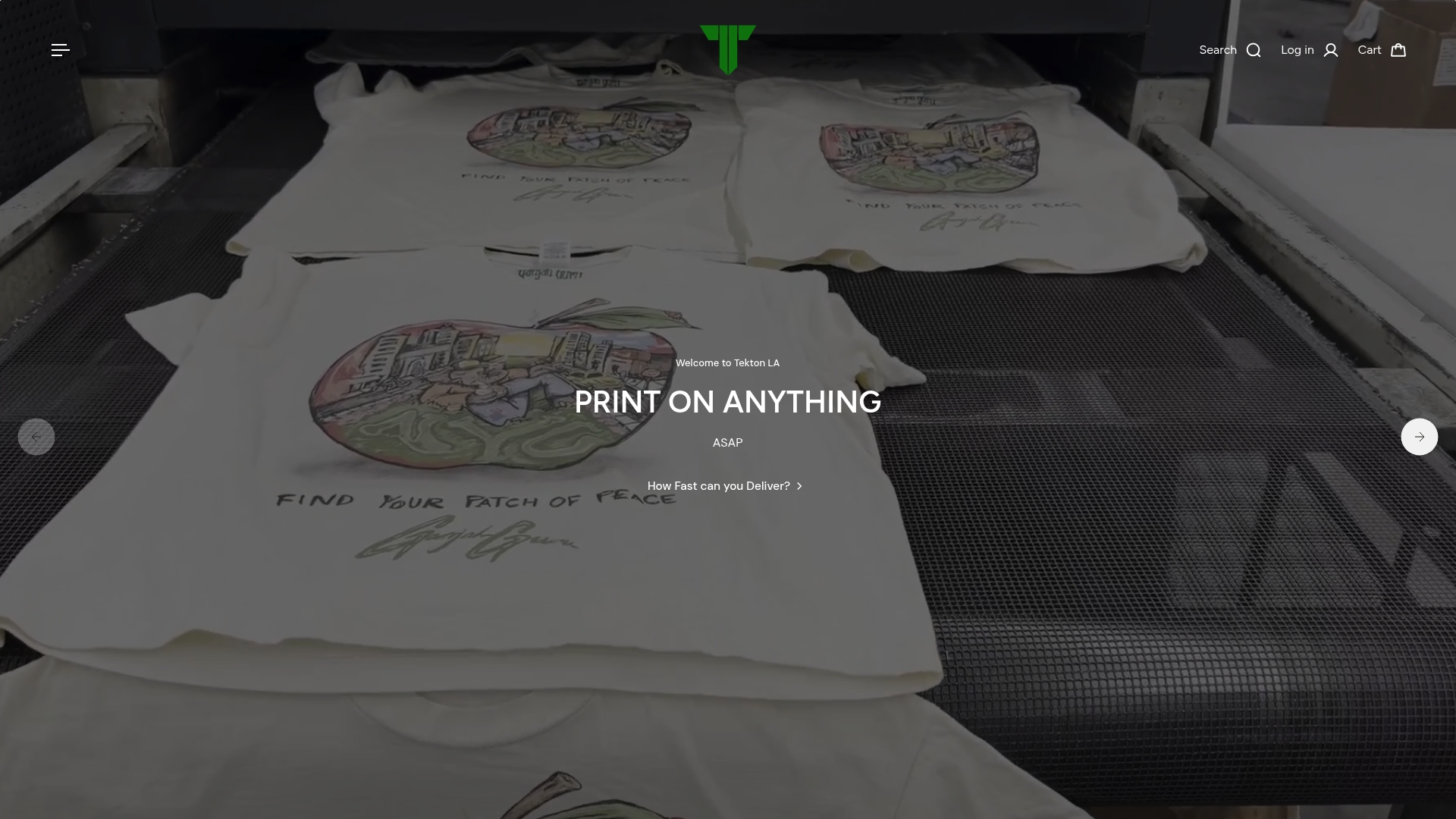
The quality of a DTG print starts before the machine even runs. The base garment is where it begins, and choosing the wrong one wastes time, ink, and money. Tektonla’s Garment Dye Shirt is built for exactly this kind of application: 100% cotton construction, a rich garment-dyed finish, and a weight that holds ink with precision and clarity. For brands and creators who want to combine premium apparel with on-demand printing, Tektonla also offers the Garment Dye Shirt 3.0 and a full range of custom printing services with no minimum order requirements. Explore the full catalog at Tektonla and find the right foundation for your next DTG project.
FAQ
What is direct to garment printing in simple terms?
DTG printing is a digital inkjet process that prints designs directly onto fabric, the same way a printer applies ink to paper. It requires no screens, films, or transfers, making it ideal for custom and small-batch orders.
How does DTG printing work on dark garments?
Dark garments require a liquid pretreatment applied before printing. Without pretreatment, white ink is absorbed into the fabric and disappears, so the pretreatment creates a surface that holds the white underbase and allows colors to show accurately on top.
What fabrics work best for DTG printing?
100% cotton and high-cotton blends produce the best DTG results because the water-based inks absorb efficiently into natural fibers. Synthetic fabrics like polyester resist these inks and typically produce dull, less durable prints.
How does the cost of direct to garment printing compare to screen printing?
DTG has no setup fees and no minimum order requirements, making it less expensive per unit for small runs. Screen printing becomes more cost-efficient at higher volumes, but the setup cost per color makes it impractical for short or one-off orders.
Is DTG printing durable after washing?
DTG prints cure into the fabric fibers and hold up well over multiple washes when properly cured. Correct curing temperature and dwell time are the biggest factors. Under-cured prints will fade significantly after the first few washes.